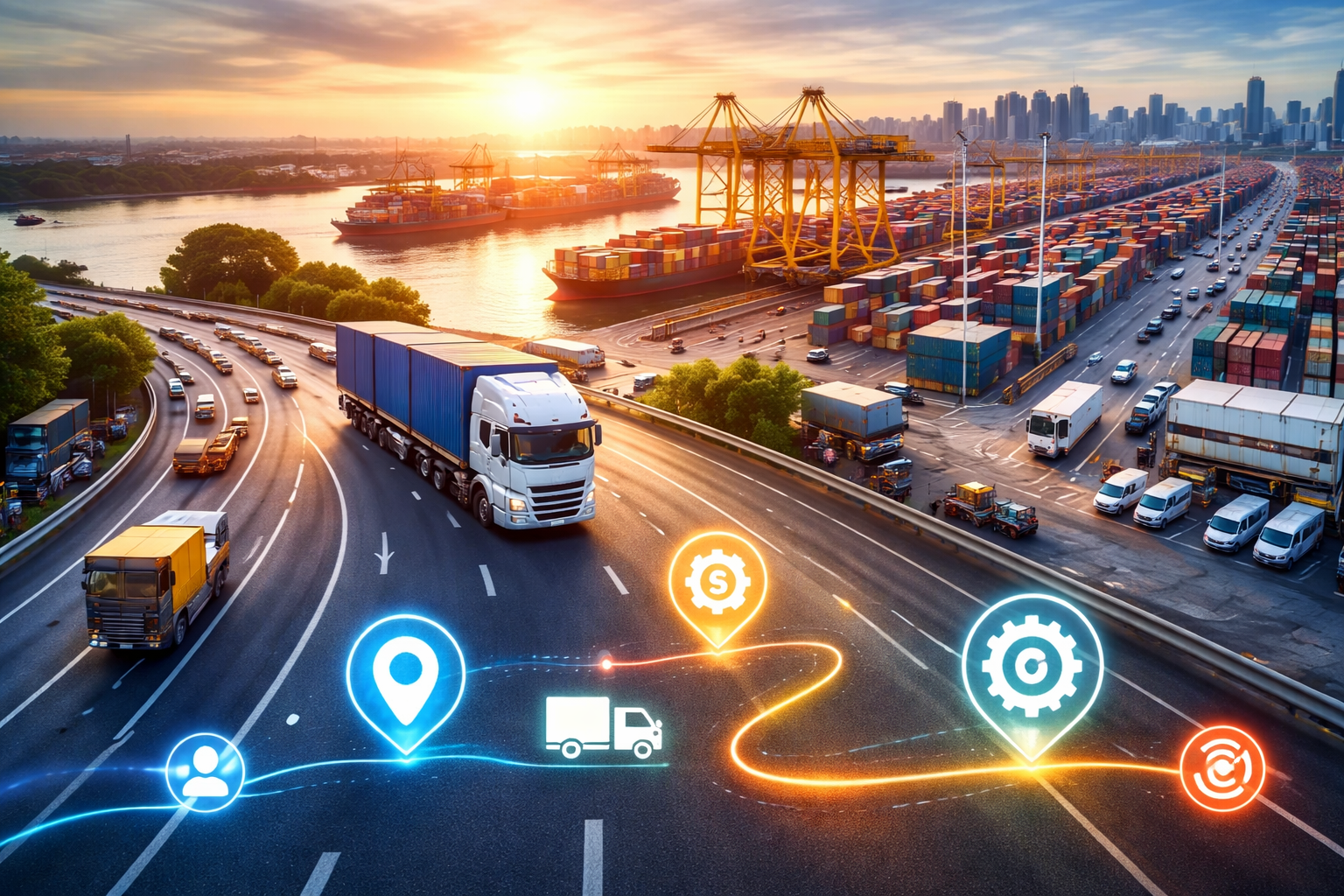
In a context where transportation costs and delivery pressure continue to rise, many SMEs in Vietnam are turning to Transportation Management Systems (TMS) combined with digital maps and location APIs to control costs and scale their operations.
In 2026, Vietnam’s economy continues to maintain strong growth momentum driven by infrastructure investment, manufacturing, exports, and the rapid expansion of e-commerce. Small and medium-sized enterprises (SMEs) make up the majority of businesses in the economy, but they are also the group facing the greatest pressure in terms of operational costs, price competition, and resource optimization.
In this environment, logistics is no longer just a back-office support function. For many businesses, transportation costs directly impact profit margins. Without tight operational management, companies may end up paying the price through:
The question then becomes: What can SMEs do to improve transportation efficiency without making risky or scattered investments?
Before discussing solutions, it is important to look directly at the challenges many transportation companies are facing today.
Many companies receive large orders but hesitate to sign contracts because they lack the data needed to prove their operational capacity. Revenue may increase, but profitability remains unclear as operational costs become fragmented and difficult to control.
Real-world example:
A small transportation company in Ho Chi Minh City operates a fleet of 12 light trucks. They recently received a partnership proposal from a supermarket chain requiring 200 deliveries per day—nearly three times their current capacity of 70–80 deliveries daily.
The pain point:
The business owner hesitates because they cannot determine whether their current fleet can handle the workload or which routes are already overloaded.
Lesson learned:
Signing a contract without reliable data is essentially gambling with profit margins. With a TMS system in place, businesses can simulate transport capacity within seconds and clearly identify how many additional vehicles are needed to reach the break-even point.
When operations rely solely on one person’s memory and experience, businesses become vulnerable whenever staffing changes occur. Without real-time data, fleet operations become fragmented and disconnected.
Real-world example:
A fleet of 15 trucks in Hanoi transports construction materials to dealers around the city. Daily dispatching depends entirely on one key operator who calls each driver every morning to assign routes.
This method works when everything goes as planned. However, when the dispatcher takes a few days off, the system quickly falls apart. Drivers lack clear route instructions and begin making decisions based on personal judgment. Routes overlap, deliveries are delayed, and customer complaints start to appear.
The pain point:
The entire operation depends on the “brain” of a single individual. When that person is absent, there is no operational data or process documentation, leaving the fleet disorganized and difficult to control.
Lesson learned:
Technology is not meant to replace people—it is meant to transform human experience into repeatable operational processes. With a TMS system, routes are automated and recorded. Even if dispatch staff are absent, drivers still receive clear instructions through the system, ensuring continuity and professionalism.
One of the most common issues among SME transportation companies is the lack of clear operational reporting systems. When data is recorded manually or collected from multiple disconnected sources, tracking real operational costs becomes extremely difficult.
Fuel expenses, travel time, and vehicle performance are often estimated based on experience rather than measured through actual operational data.
Real-world example:
A small logistics company in Binh Duong operates around 10 light trucks delivering goods to industrial zones. After some time, the owner notices that monthly fuel costs have increased significantly—even though the number of orders remains unchanged.
Because operations are tracked using paper logs, the company lacks detailed data about routes, waiting times at delivery points, or fuel consumption per trip. As a result, they cannot determine whether costs are rising due to inefficient routing, excessive waiting times, or poorly optimized delivery routes.
The pain point:
Without reliable data, attempts to reduce costs become guesswork. Hidden operational inefficiencies—such as idle time or suboptimal routing—silently erode profit margins.
At a scale of 3–5 vehicles, these inefficiencies may be manageable. But once a fleet grows to 10–20 vehicles, small inefficiencies quickly accumulate into significant financial losses.
Lesson learned:
Transportation operations should not be managed by “gut feeling.” Transitioning from manual records to automated reporting systems through TMS enables businesses to shift from guessing to controlling. Only with accurate metrics—such as cost per kilometer or performance per trip—can companies truly optimize operations and protect their profits.
If a company frequently asks questions such as:
Then it is likely time to move from manual management toward data-driven operational management.
The answer lies in adopting a Transportation Management System (TMS) combined with digital maps and location APIs to standardize and optimize operations.
However, once businesses begin implementing TMS solutions, they often encounter another challenge at the infrastructure level—dependency on external map platforms and APIs.
Beyond operational processes, many businesses face another challenge: reliance on external map platforms and APIs.
Today, three common approaches exist in the market:
At first, costs may appear manageable. However, as order volumes increase, API costs grow proportionally with usage, leading to:
The real cost does not lie in the visible software interface—it lies in the technology infrastructure behind it.
When the number of orders doubles, API costs may double—or even increase further if the system relies on multiple services such as distance calculation, route optimization, geocoding, and tracking.
Many companies only realize this cost structure after they begin operating at scale.
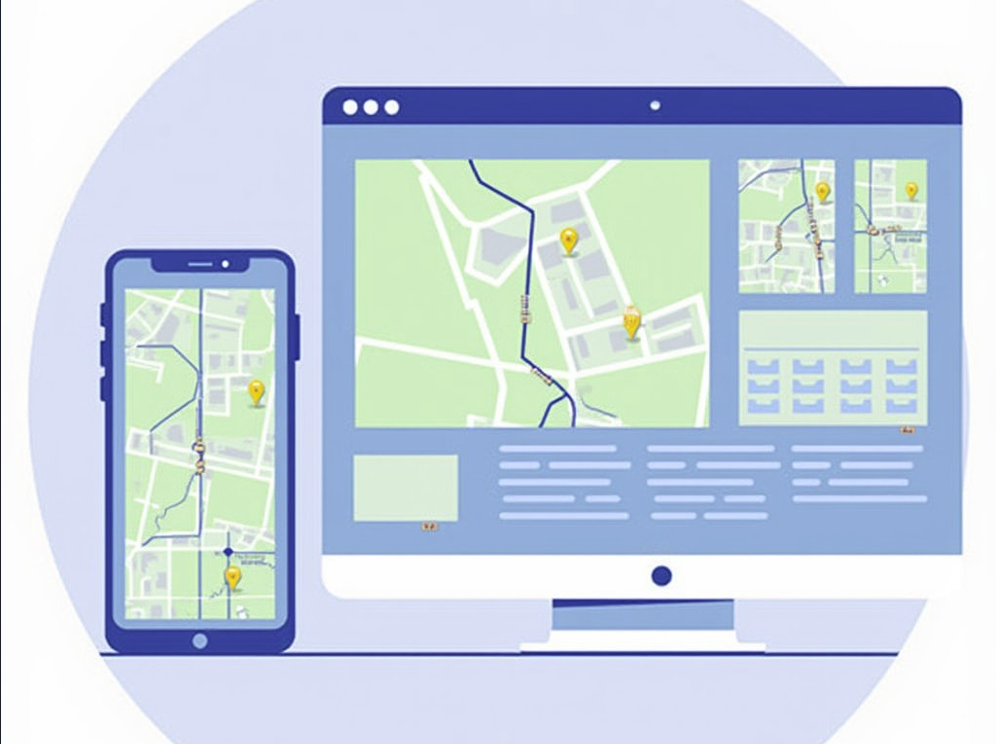
A TMS system enables businesses to:
TMS is no longer a solution exclusively for large enterprises. SMEs can implement it step by step:
A phased implementation approach helps businesses reduce risk while optimizing investment costs.
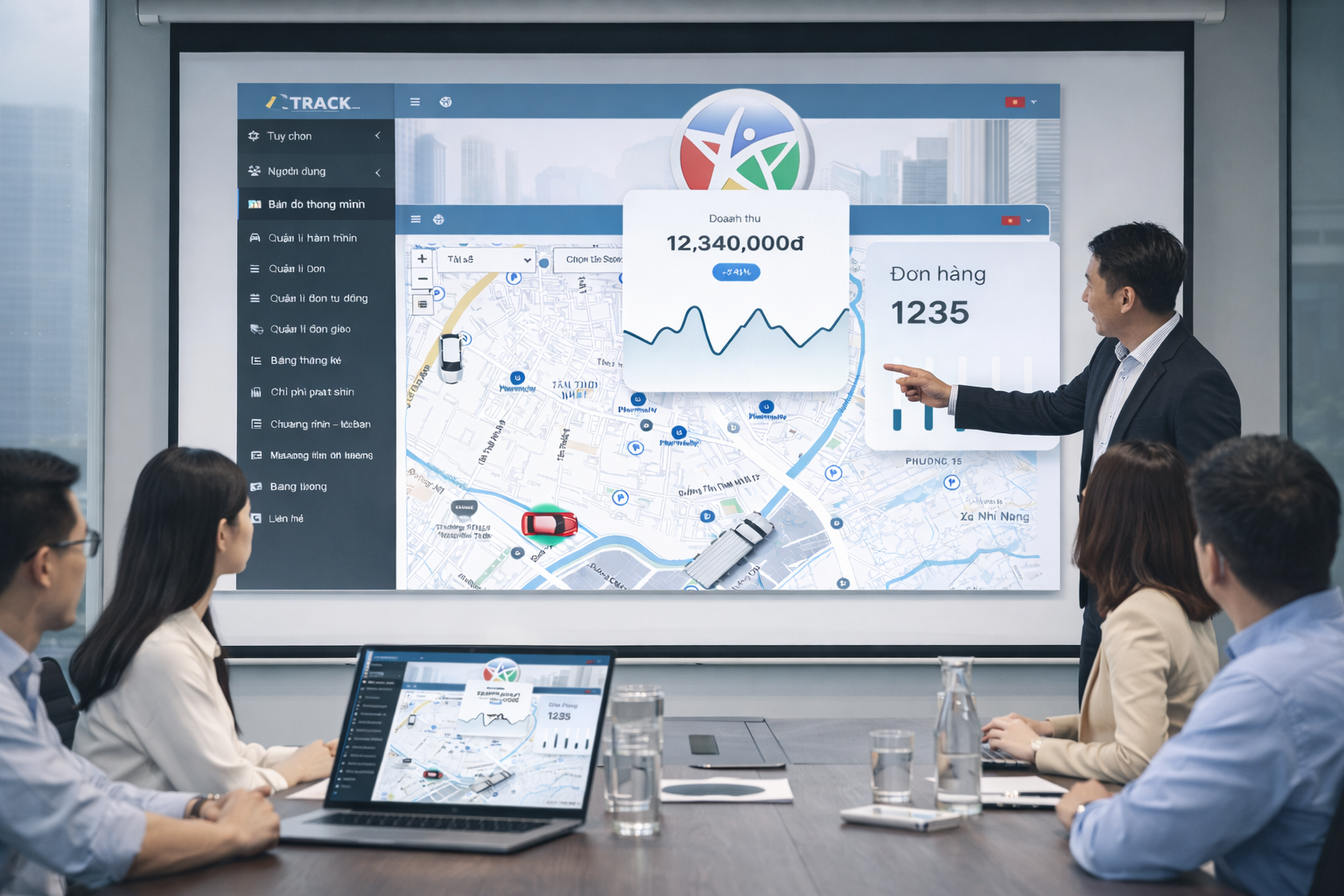
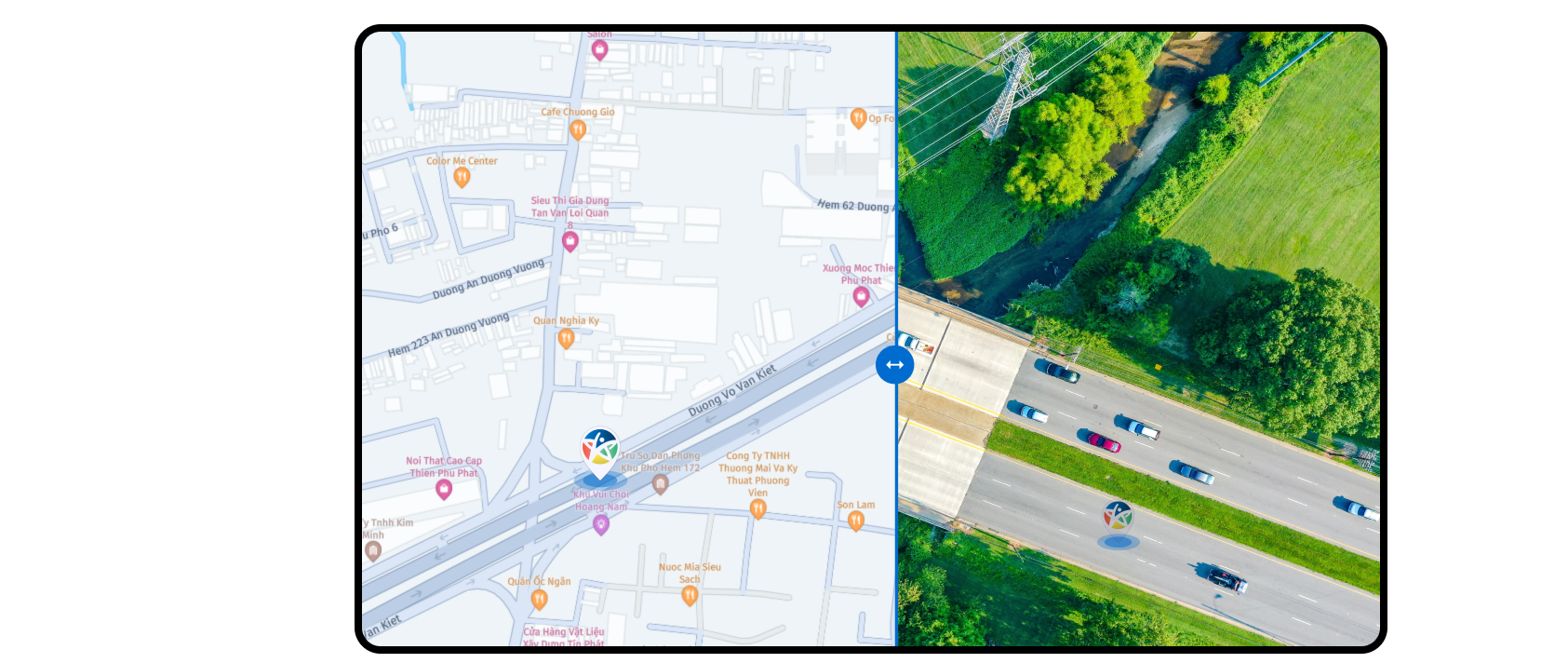
A TMS system can only be truly effective when it is built on accurate digital map infrastructure.
Digital maps support:
A difference of just a few minutes per delivery may seem insignificant. But when multiplied across hundreds of deliveries per day, it becomes a real operational cost.
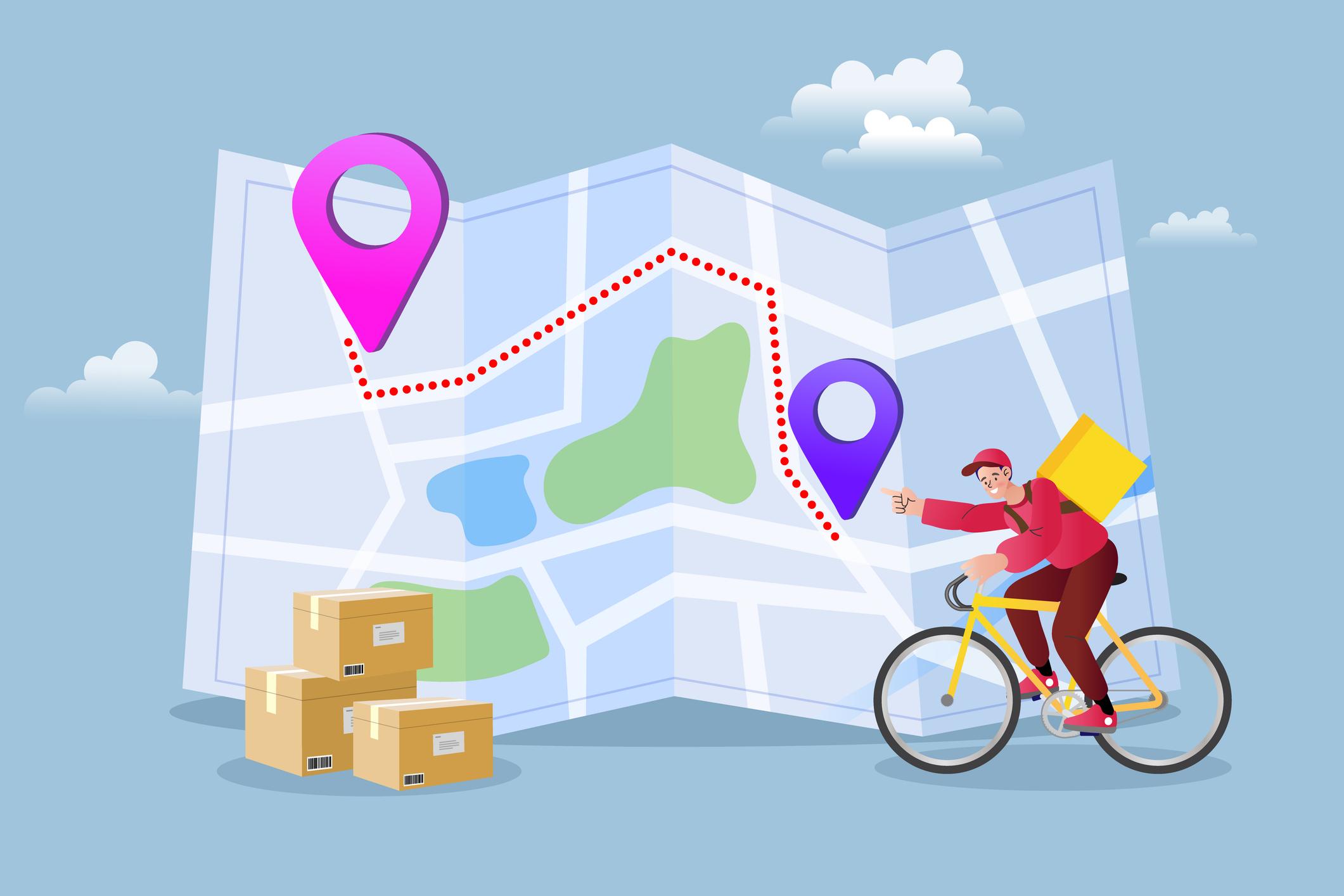
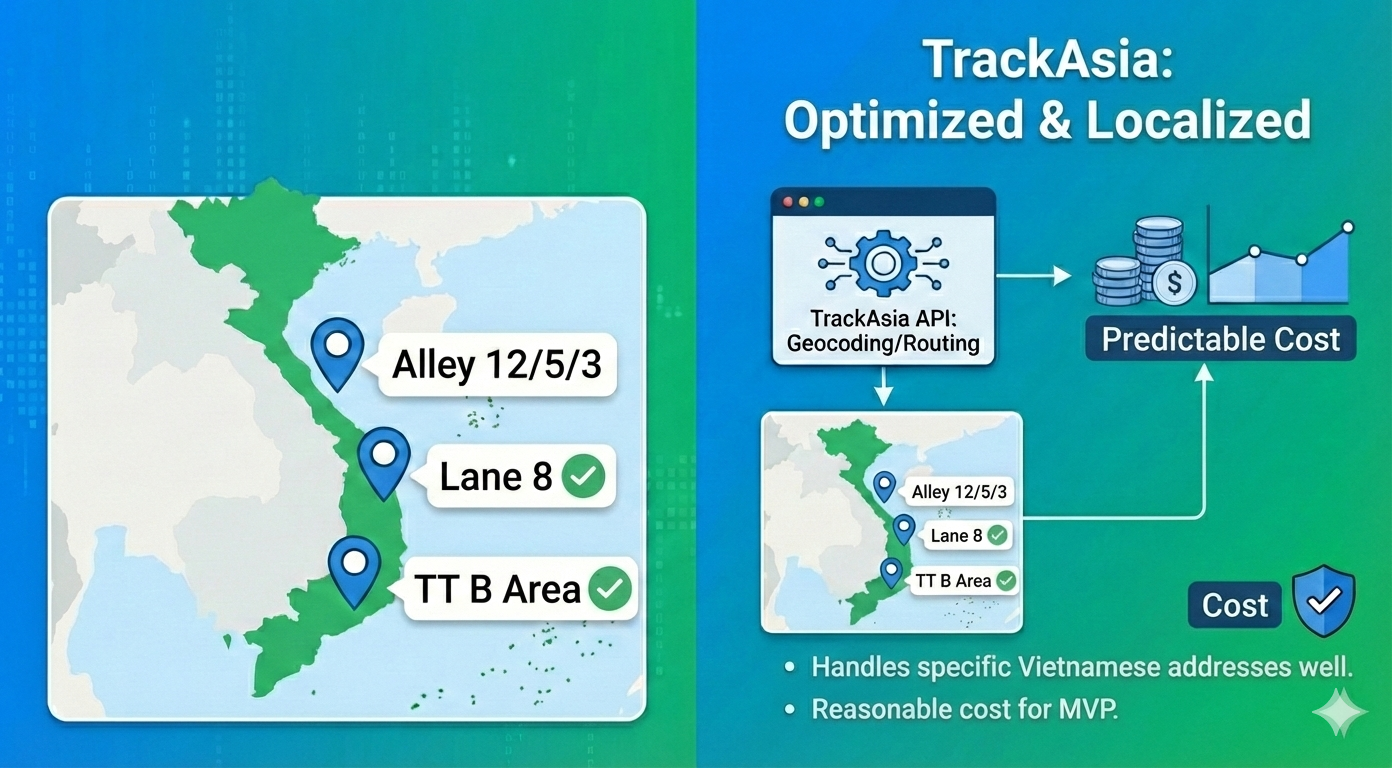
When companies control their own map infrastructure and APIs:
Currently in Vietnam, there are only a few platforms that provide both TMS solutions and proprietary map APIs. This combination is particularly valuable for companies seeking long-term control over data and operational costs.
TrackAsia is one of the platforms pursuing this direction.
In cities like Hanoi and Ho Chi Minh City, many drivers have 10–15 years of experience working for traditional taxi companies.
After accumulating some capital, many begin forming small logistics teams by purchasing vehicles together and taking on transportation contracts.
In the early stages, operations may run smoothly thanks to personal experience and professional relationships.
However, once the fleet grows to 15–20 vehicles, new questions begin to emerge:
Being a skilled driver does not necessarily translate into effective fleet management at scale.
If a structured management system is implemented early—when the fleet has just 5–10 vehicles—many costly expansion mistakes can be avoided.

In 2026, transportation companies will need more than additional vehicles and drivers. They will need strong management systems capable of:
A TMS platform combined with digital maps and APIs provides the foundation for solving these challenges.
Platforms that control both TMS solutions and map infrastructure will have a long-term advantage in supporting SME logistics businesses—and this is the direction TrackAsia is building toward in the Vietnamese market.


Ask Track AI...


 English